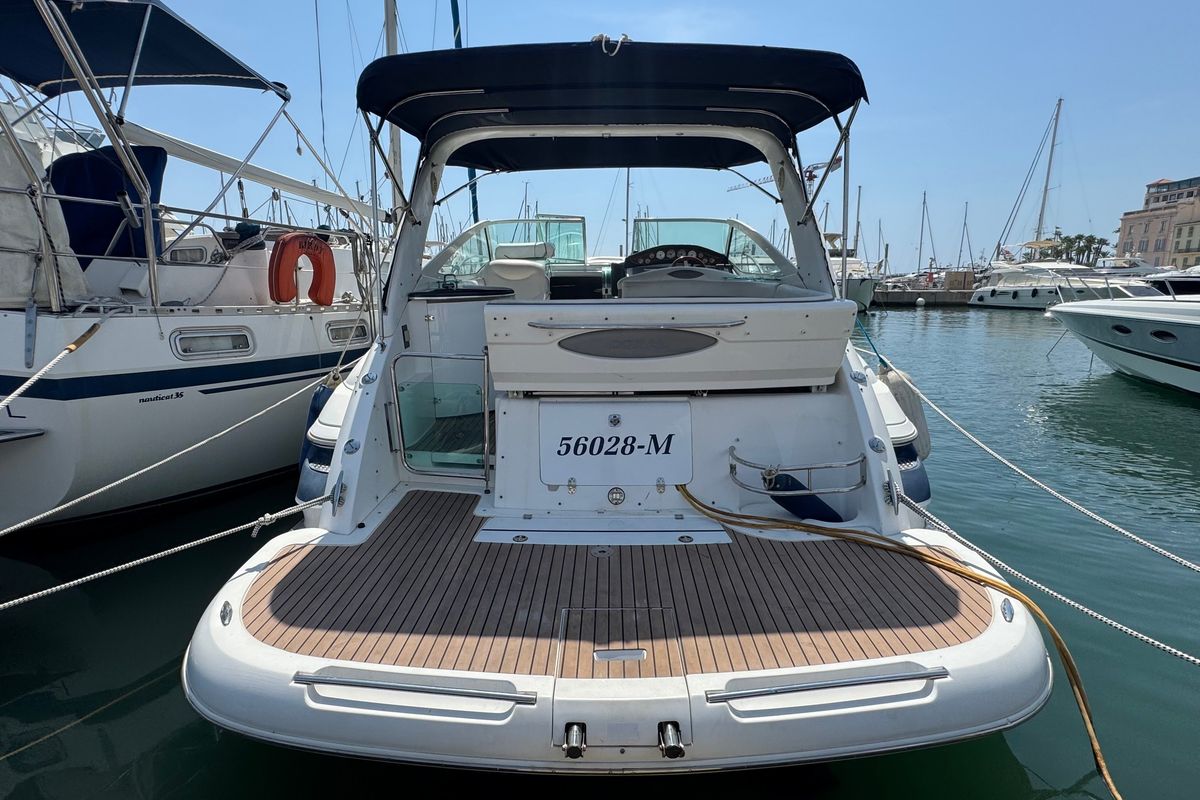
A yacht laid up because of an avoidable breakdown, a maintenance invoice that arrives unannounced, a crew that proves difficult to coordinate, a berth poorly administered: these are rarely isolated incidents. More often, they point to yacht management that lacks structure. For an owner, the question is not simply keeping the boat fit to go to sea. It is preserving a demanding asset, safeguarding everyone on board and retaining the freedom to use the yacht whenever the mood takes.
On vessels of 12 to 40 metres, the quality of management shows in the detail. An engine serviced to the builder's schedule, a clear technical history, a hull properly monitored, paperwork kept current and a budget under control all shape the experience on the water. They also weigh heavily on the yacht's value on the day a sale becomes an option.
What yacht management actually covers
Managing a yacht amounts to far more than booking an annual haul-out or calling a technician when an alarm sounds. It rests on continuous oversight, tailored to the vessel's real programme: occasional private use, regular family cruising, charter, extended winter lay-up or movement between several ports.
Good management draws a clear line between preventive maintenance, necessary works and improvements that genuinely earn their place. That distinction matters. Replacing without an accurate diagnosis can prove expensive. Deferring significant work can cost more still, particularly where propulsion, generators, electrical systems, air conditioning or safety equipment are concerned.
Planned oversight rather than emergency call-outs
Technical oversight begins with detailed knowledge of the vessel. Engine hours, service intervals, battery condition, safety equipment inspections, tender maintenance, water treatment systems and stabilisers: every item should be planned and recorded.
The manager's role also involves appointing the right contractors and scrutinising quotations for consistency. In yachting, a thinly detailed quotation can conceal vague timescales, parts left out or additional services invoiced later. Equally, the cheapest yard is not automatically the right choice when reliability, availability in season and warranty on the work are at stake.
Hands-on experience makes a tangible difference here. Understanding how a yacht behaves underway, recognising the early signs of a problem and knowing which questions to put to a yard cannot be improvised from a specification sheet.
Administration, compliance and insurance
A yacht also carries a set of obligations. Flag, insurance, berthing contracts, regulatory deadlines, certification, safety equipment, crew matters and any charter documentation must all be kept in good order.
Administration seems secondary until the day a document is missing, a claim arises or a sale gets under way. A complete file reassures the underwriter, makes the surveyor's task easier and shortens negotiations. For a yacht in charter service, the discipline required is greater still: commercial status, insurance cover and operational procedures must match the declared use precisely.
Yacht management: protecting use as much as capital
The annual cost of a yacht never stops at the berth and the fuel. Expenditure varies with age, size, level of equipment, cruising area and the number of weeks spent on board. A recent, lightly used boat does not call for the same regime as an older, heavily equipped vessel, or one intended to cruise hard through the summer.
Proper management makes it possible to set a realistic budget and follow it without losing sight of priorities. The aim is not to cut every line at all costs. It is to invest at the right moment, in the right places, avoiding the expenditure that emergencies impose and the quiet depreciation that accumulates season after season.
A well-supported owner should know where the budget is going, what has been done, what is planned and what can wait. That visibility makes decisions straightforward. It also stops the yacht becoming a constant source of demands when it should remain a pleasure and an instrument of freedom.
Protecting resale value
On the brokerage market, two apparently identical yachts can be worth very different sums. Actual condition, the quality of works carried out, the invoices available, engine hours properly logged, no deferred maintenance and general presentation make all the difference.
A serious buyer does not look only at the lines of the boat or its equipment. He looks for evidence. A transparent history inspires confidence and usually shortens the negotiation. Undocumented servicing, postponed works or a poorly prepared vessel, by contrast, can lead to a significant discount, even where the yacht has seen little use.
Preparing a sale therefore does not begin a few weeks before the yacht goes to market. It begins in the first months of ownership. Every management decision contributes to the way the boat will later be perceived.
The particular case of a yacht offered for charter
Chartering can help cover part of the running costs, provided the programme suits the owner's expectations. It does, however, demand a higher standard of preparation: faultless availability, qualified crew, immaculate presentation, maintenance planned well ahead and rigorous handling of embarkation dates.
A charter yacht cannot be run like a purely private boat. Technical work must be scheduled outside charter periods, consumables anticipated and interventions planned with sufficient margin. A problem on the eve of an embarkation does not merely spoil one cruise. It can affect the yacht's reputation, generate commercial costs and disrupt the calendar for an entire season.
A clear view of the balance is also needed. Not every owner wishes to open the yacht to charter, and not every boat lends itself to it. The decision depends on the layout, the cruising area, the owner's own availability and the level of service the vessel can genuinely offer. A sound charter strategy stays selective and is never imposed.
Choosing someone who knows the boat
The quality of management depends first on the person directing it. A good point of contact communicates clearly, sets priorities, defends the owner's interests with suppliers and flags a problem before it becomes expensive.
Availability counts, but judgement counts for more. Accepting every quotation, multiplying contractors or approving works without explanation is not a method. A serious approach sets out the options, their consequences, the timescales and any trade-offs. The owner decides on full information, free of commercial pressure.
On the Cote d'Azur, where yard slots and berths tighten quickly in season, anticipation is especially valuable. It allows cruising from Antibes, Cannes, Monaco or Saint-Tropez to be prepared without relying on last-minute arrangements. YachtDeals applies this thinking through support grounded in operational knowledge of yachting, from purchase to handover and ongoing care of the vessel.
Management shaped around your cruising programme
The right method is not necessarily the heaviest. An owner who cruises a few weeks a year does not have the same needs as a family on board every weekend, or as a yacht active in charter. Reporting, crew arrangements, the maintenance schedule and the budget should all be calibrated to actual use.
Before entrusting a yacht to a manager, one simple question is worth asking: do you want to take the decisions yourself, or simply approve them with a clear picture in front of you? Either way, the objective is the same: that the boat is ready, safe and as you expect it when you choose to slip the lines.
A well-managed yacht does not demand attention through a succession of emergencies. It inspires confidence from the moment you step aboard, in the quiet of a well-kept engine room as much as in the clarity of its paperwork. That discreet but measurable peace of mind is what deserves protecting, season after season.