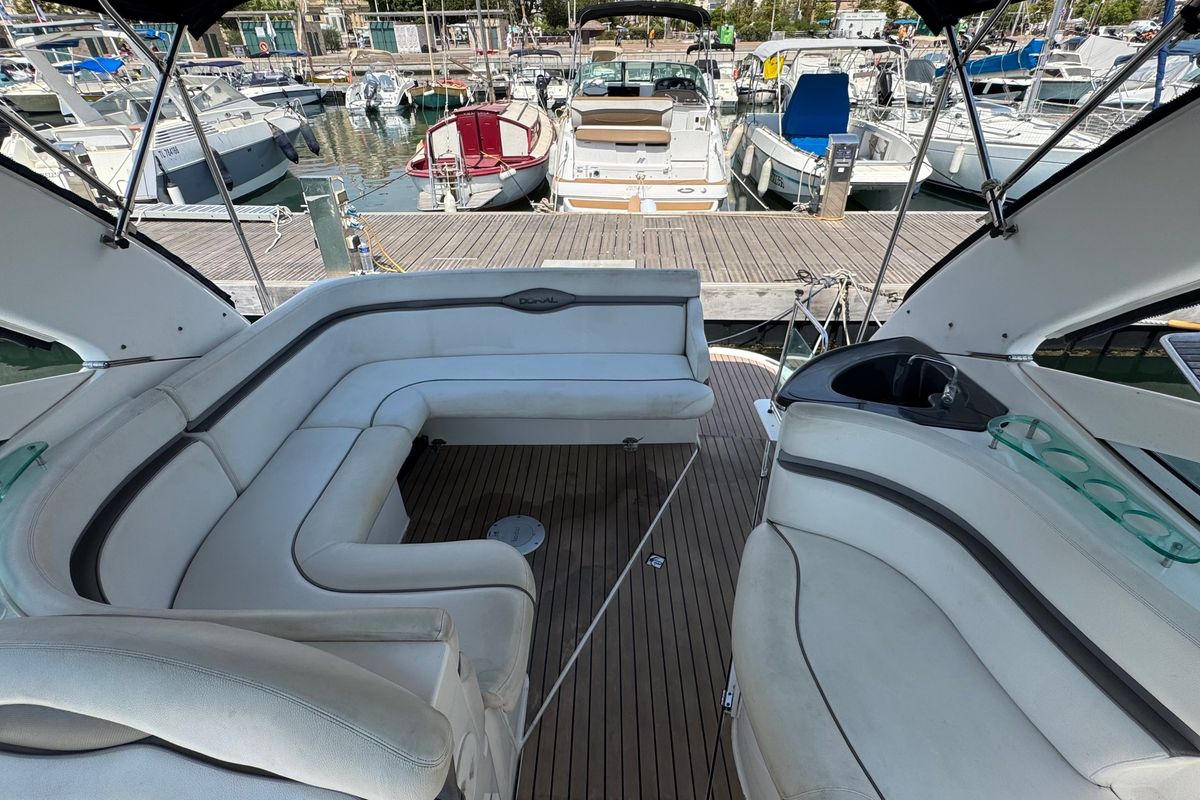
A yacht positioned poorly on the market can remain invisible for months, even at the height of the season. Conversely, a boat that has been properly prepared, priced correctly and shown to the right buyers can find a purchaser in a far shorter time. That is the real question behind how to sell a yacht quickly without sacrificing its value.
In the premium segment, speed of sale never rests on a single lever. It depends on a precise alignment between the true condition of the boat, its history, its price, its presentation and the quality of its exposure. Many owners assume a listing is enough. In practice, a yacht sells faster when the groundwork has been done rigorously.
How to sell a yacht quickly without devaluing it
The first mistake is to confuse speed with aggressive discounting. Reducing the price within the first few weeks can sometimes help, but it is not always the right signal. In the yachting market, a price that is too low raises as many questions as one that is too high. Experienced buyers immediately ask themselves what accounts for the difference.
Selling quickly therefore means creating confidence from the very first contact. That begins with a serious valuation, based not only on length, year or builder, but also on mechanical condition, standard of maintenance, recent refits, layout, flag, the boat's programme and where she lies. Two units that look identical on paper can have very different market values.
The other decisive point is the clarity of the file. A buyer ready to move quickly wants to understand, in a short space of time, what he is buying, in what condition and on what terms. If the paperwork is scattered, the engine hours vague or the maintenance history inconsistent, the sale slows down immediately.
The right price often decides the timeline
The asking price remains the most sensitive factor. A yacht listed above its true value loses its best weeks of marketing. Interest is at its strongest in that period, because a new listing draws the attention of the network. If the price is misjudged, qualified buyers move on and the boat settles in.
A fair price, by contrast, creates traction. It generates serious enquiries, encourages worthwhile viewings and allows for a healthier negotiation. The aim is not the lowest price but a credible, defensible figure, consistent with comparables that have actually sold rather than with listings still online.
On this point, experience on the ground makes the difference. A purely theoretical reading of the market is not enough. You need to know why one yacht lingered, why another sold quickly, and what buyers really look at during viewings and surveys.
What genuinely influences perceived value
Documented maintenance often counts for more than spectacular equipment that has been poorly looked after. A clear history, well organised invoices, recent work on the critical items and a well kept engine room reassure far more than a long list of options presented badly.
Timing matters too. In the Mediterranean, the window before summer can accelerate certain transactions, particularly for buyers who want to cruise straight away. But there are also opportunistic sales out of season, especially when the boat is ready, easy to view and presented to an international clientele.
Prepare the yacht as an asset, not as a memory
An owner knows his boat in fine detail. The buyer discovers her in a matter of minutes. That gap calls for very methodical preparation. To sell quickly, every point of friction must be removed before the first viewing takes place.
That means faultless presentation. Careful cleaning, immaculate upholstery, well maintained joinery, odours dealt with, technical spaces in order, tenders and toys clearly listed. A premium yacht should convey continuity of care, not improvisation. The small defects postponed for months suddenly become very visible at the point of sale.
The administrative file should be ready at the same time. Title of ownership, registration documents, maintenance history, inventory, certification, latest works, available reports and VAT status where applicable. The more complete the file, the faster a decision can be taken.
Photography and commercial presentation
On a boat of 12 to 40 metres, presentation quality is not a marketing detail. It is a filter. Weak imagery attracts poorly qualified enquiries. A clear, elegant and precise presentation attracts buyers already well advanced in their thinking.
Photographs should show the boat as she is, at her best angle but without concealing what a buyer will discover later. Overly flattering descriptions often slow a sale, because they create a gap between the promise and the viewing. Better to be precise, restrained and factual.
Marketing in the right places, to the right people
Plenty of listings are visible. Few are genuinely distributed to the right network. To understand how to sell a yacht quickly, you have to look beyond simple publication. Useful exposure is that which puts the boat in front of credible, active buyers and intermediaries capable of qualifying an enquiry.
At the top of the market, discretion counts as much as reach. Some owners want a visible international campaign. Others prefer a more confidential approach, targeted at a network of buyers and brokers. The right choice depends on the yacht, her positioning and the timescale sought.
Exposure that is too broad can sometimes make a rare unit look ordinary. Exposure that is too closed can needlessly extend the marketing period. The balance has to be judged carefully, according to the profile of the boat and the seller's objective.
The role of brokerage in a swift sale
A yacht rarely sells faster because it has been shown to more people. It sells faster when it is presented with judgement to fewer people, but the right ones. That is where brokerage proves its worth.
A serious intermediary does more than publish a specification sheet. He builds a sales strategy. He validates the price, prepares the file, qualifies enquiries, filters visitors, organises viewings efficiently, frames the negotiation and anticipates sticking points before they become reasons to walk away.
For a seller, the gain is not only time. It is also the quality of the process. A poorly qualified buyer can tie up a boat, request information for weeks and then disappear. A swift sale rests instead on a smooth chain, with parties genuinely able to see it through.
In that spirit, a firm such as YachtDeals brings a particularly concrete reading of the boat, because it goes well beyond the listing or market theory. That approach is valuable when every week counts.
Negotiation, survey and closing: where many sales are lost
The riskiest moment is not always the launch of the campaign. It is often the period after the offer. An agreement in principle can appear settled, then weaken over a survey, a request for works, a documentation issue or a misunderstanding about delivery terms.
To maintain momentum, the negotiation must be framed from the outset. What is included in the sale? What room for discussion is realistic? Which works are absorbed, negotiated or excluded? What timetable is acceptable? The earlier these points are clarified, the less the transaction drags.
The survey deserves particular attention. On a yacht, it does not merely confirm condition. It often becomes the basis for renegotiation. If the boat has been prepared properly, with sensitive areas identified in advance, the survey confirms confidence rather than reopening the whole file.
Should works be carried out before going to market?
The answer depends on their nature. Simple, visible cosmetic defects should generally be dealt with, as they immediately damage overall perception. Certain major works, on the other hand, are not always worth undertaking before a sale if the return on price is uncertain. Sometimes it is better to document them, obtain quotations and allow for a transparent negotiation.
It is a case by case judgement. The right decision is the one that shortens the timeline without committing to expenditure that is unlikely to be recovered.
What the most effective sellers do differently
They take a clear decision about their real objective. Do they want to test the market or to sell? The distinction matters. An owner who is ready to sell gives his file, his price and his availability a coherence that buyers pick up on straight away.
They also accept the reality of the market rather than dispute it. Personal attachment to a boat is natural, but it does not set her value. What sets her value is the relationship between available supply, the true condition of the unit and the appetite of active buyers.
Finally, they understand that a swift sale is not a rushed sale. It is a prepared one. In this market, speed rarely comes from luck. It comes from the quality of the decisions taken before the first enquiry ever arrives.
If you are looking to sell your yacht on good terms, the best course remains straightforward: have the boat valued honestly, prepare a clean file and choose a marketing strategy suited to her profile. The right buyer may not wait long, but he recognises a yacht presented with care immediately.