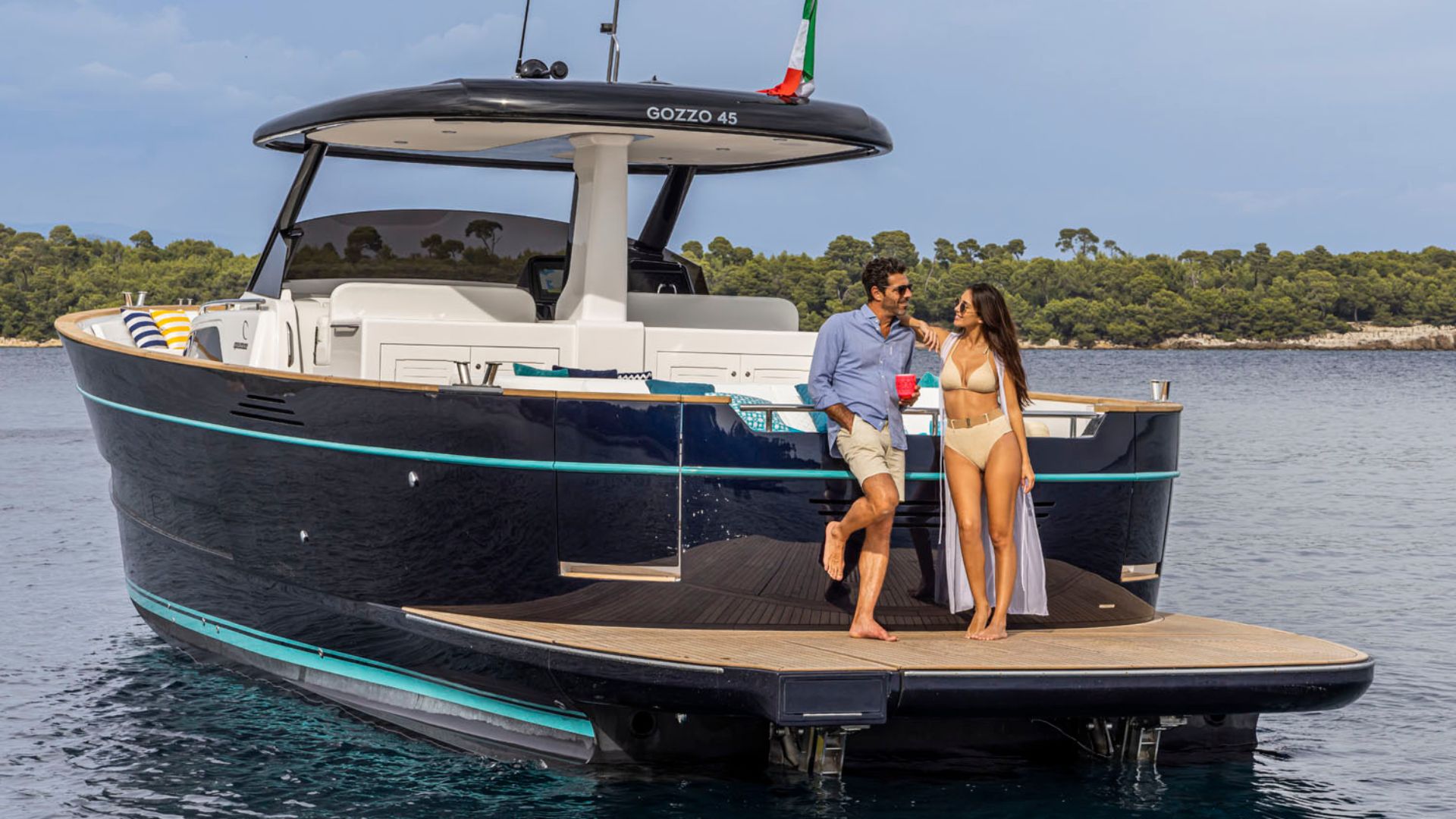
Chartering a yacht is not a matter of picking a silhouette from a brochure. Between Cannes, Antibes, Saint-Tropez and Monaco, two vessels at similar rates can deliver very different experiences. Knowing how to charter a yacht therefore begins with a simple question: what do you genuinely intend to do with it, and in whose company?
A family day out to the Îles de Lérins, lunch at Pampelonne, a week cruising Corsica or a corporate reception alongside call for different boats, different crews and different budgets. A successful charter rests on a precise selection, a clear contract and an honest reading of what is actually included.
How to charter a yacht: start with the right brief
The instinct is usually to fix a length or a budget. Both matter, but neither is sufficient. Guest capacity, the number of cabins, cruising speed, exterior spaces, the age of the yacht and the standard of crew service will all have a direct bearing on your time aboard.
For a day out, a yacht of 12 to 20 metres can suit a small group perfectly well. What counts is smooth boarding, comfort on deck, easy access to the water and the quality of service aboard. Over a week the logic changes: cabin privacy, stability under way, range, quiet areas and crew configuration all come into play.
The number of guests deserves particular attention. The certified capacity under way is not always the same as the number of people who will sit comfortably for lunch, sunbathe or sleep aboard. Professional advice is not about filling a boat to its maximum, but about matching the vessel to your programme.
It also helps to set out your requirements from the outset: preferred departure port, whether dates are flexible, children aboard, the need for a chef, dietary preferences, water toys, airport transfers or heightened privacy. The clearer the brief, the more relevant the selection.
Understanding the true cost of a charter
The advertised rate is generally the charter fee for the yacht, by the day or by the week. It covers use of the vessel and, depending on the charter format, the crew. It does not necessarily represent the total cost of your time aboard.
On weekly charters, running costs are frequently billed separately through an advance provisioning allowance, commonly known as the APA. This covers fuel, provisioning, drinks, port fees, restaurant bookings with tender service, communications and certain specific requests. The amount requested depends on the itinerary and the type of yacht. It is paid in advance and accounted for against actual expenditure at the end of the charter, with any unused balance returned to you.
Day charters vary more widely. Some packages include a fuel allowance, drinks or the use of certain equipment. Others charge for them separately. It is therefore worth requesting a full costing rather than a headline price. That transparency matters, particularly where the itinerary involves several stops or fast passages, which consume considerably more fuel.
Applicable VAT depends on the contract, the flag, the port of departure and the itinerary. Weather can also shape the programme. A boat booked for Saint-Tropez cannot always make the passage comfortably if the sea gets up. In that case, a professional crew will propose a sensible alternative rather than press on with an uncomfortable or needlessly risky passage.
Choosing a yacht beyond the photographs
Images flatter a yacht, but they say little about maintenance standards, noise levels, stability or the true condition of her equipment. In yachting, the build year is less telling than the technical record, the refits carried out and the owner's rigour in managing the vessel.
A recent yacht may be poorly configured for your purposes. Conversely, an older vessel, immaculately maintained and run by an experienced crew, can offer a better experience altogether. Look at the deck layout, the real size of the cabins, whether stabilisers are fitted, the tender, the water sports equipment and how easily you can get into the sea.
The crew is decisive. The captain does far more than drive the boat: he judges the conditions, knows the anchorages, sets the timings and looks after everyone's safety. On yachts with several crew, the chef, stewardess and deckhand contribute directly to the standard of service. True professionalism tends to show in anticipation, discretion and the ability to adjust the programme without imposing on guests.
This is precisely where a broker who knows the vessels in operation adds real value. YachtDeals selects yachts on first-hand knowledge of their condition, their use and the quality of their operation, well beyond the published specification.
Setting a realistic Riviera itinerary
The French Riviera offers remarkable cruising, but it also imposes constraints of traffic, berth availability and weather. A day out of Cannes lends itself naturally to the Îles de Lérins, the bay of Théoule or Saint-Tropez if timings and conditions allow. From Antibes, the Baie des Anges, Cannes or Monaco are all feasible, depending on how much time under way you are willing to accept.
The classic mistake is trying to fit in too many destinations. A yacht is not a fast means of transport between points of interest. Much of her value lies in time spent at anchor, lunch aboard, swimming and comfortable passages. A simpler, well-paced itinerary is usually more enjoyable than an overloaded one.
For a week, a cruise between the Riviera and Corsica calls for greater precision. The crossing, sea conditions, sheltered stopovers, refuelling options and berth availability all shape the programme. Marina bookings, especially in high season, need to be arranged well ahead. At anchor, certain areas are regulated, notably around the posidonia seagrass beds: the captain knows these rules and will plan accordingly.
Read the contract before confirming
A proper charter contract sets out the yacht, the dates, the port of embarkation, the timings, the price, taxes, what is included and any extras. It also states the amount and terms of the APA where applicable, along with payment, cancellation and postponement arrangements.
Take the time to check the weather policy. Poor weather does not automatically mean a cancellation without charge: much depends on the captain's decision, safety conditions, the type of contract and whether the outing can be rescheduled. The distinction between a less sunny day and genuinely unworkable conditions is an important one.
It is equally worth knowing the rules on pets, smoking aboard, events, motorised equipment and overtime. If you have a particular request in mind, whether decoration, a photographer, music, transfers, dinner aboard or a private celebration, raise it before signing. The best arrangements are those made in advance, without improvisation on the day.
Keeping embarkation simple
A few days before the charter, the crew or your adviser will normally confirm the guest list, dietary preferences, passport details where required, timings and the meeting point. For a day out, travel light: swimwear, sun protection, sunglasses, something for the wind and soft-soled shoes if needed. Stiletto heels and teak decks rarely mix.
Aboard, safety remains the priority without spoiling the pleasure. The initial briefing on moving about the boat, children, the tender and the water toys should be taken seriously. It allows everyone to enjoy the day naturally, without exposing guests or the yacht to unnecessary risk.
The right charter is not necessarily the largest yacht or the most ambitious itinerary. It is the one whose comfort, crew, real budget and programme match your expectations exactly. Taking the time to establish those points before booking turns a fine day at sea into an experience that is controlled, discreet and genuinely memorable.